Dining Guides
A Food Lover’s Guide to Dammam
Local classics, Gulf seafood, global kitchens and coffee-and-dessert evenings: how to explore food in Dammam with curiosity.
هذا المقال مكتوب بالإنجليزية.
A good food city rewards curiosity, and food in Dammam is no exception. Its position on the Arabian Gulf, its place as the Eastern Province’s capital and its international community all show up on the plate. This guide is for people who like to eat with attention: it suggests how to explore, what to try and how to build a food trail that suits you.
Start with the local classics
The most direct way to understand a place is to eat what its people eat at home. Spiced rice with slow-cooked meat, hearty wheat dishes and Arabic coffee with dates are the anchors of Saudi hospitality. Our guide to traditional Saudi food explains the dishes in plain language, and the article on rice dishes in Dammam goes deeper into the most popular style.
Taste the Gulf
Coastal cooking brings fish, shrimp and aromatic rice dishes. Look for simple preparations that let the seafood speak: grilled fish with lemon, shrimp with spiced rice or a seafood platter to share. A clean smell and a short menu are signs of care.
Explore the wider Middle East
Hummus, mutabal, falafel, grilled skewers and warm bread are staples of Levantine and wider Middle Eastern cooking, and they are widely available. They make an excellent introduction for newcomers because dishes are shared and easy to understand. We explore this more in our overview of Middle Eastern cuisine in Dammam.
Travel the world without leaving the table
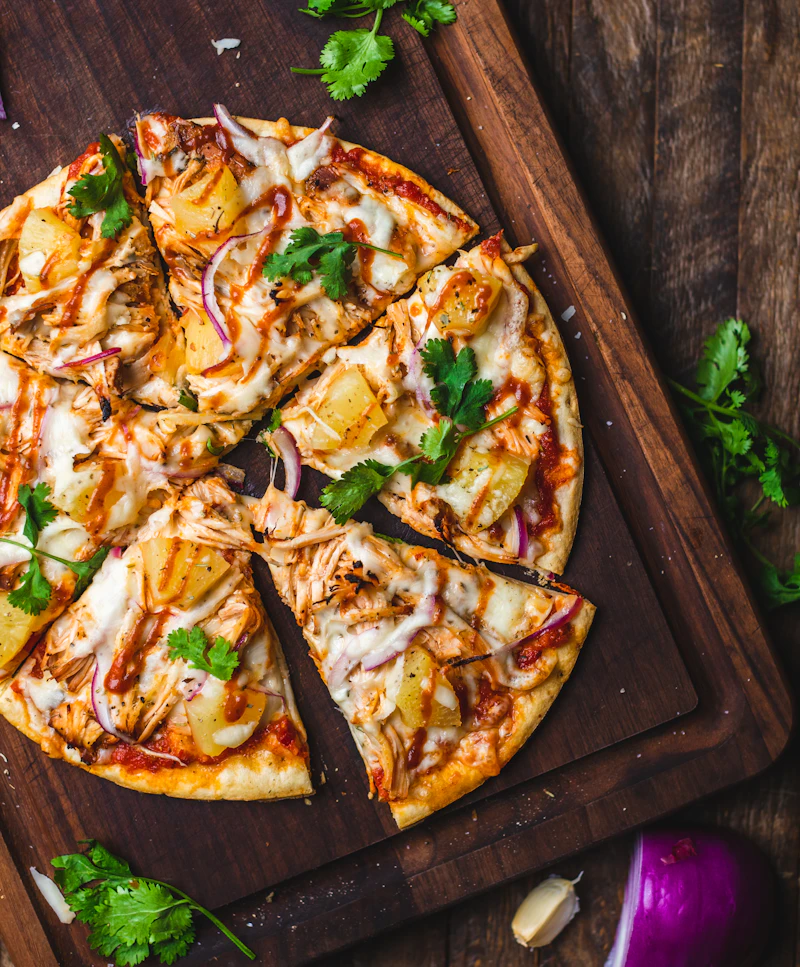
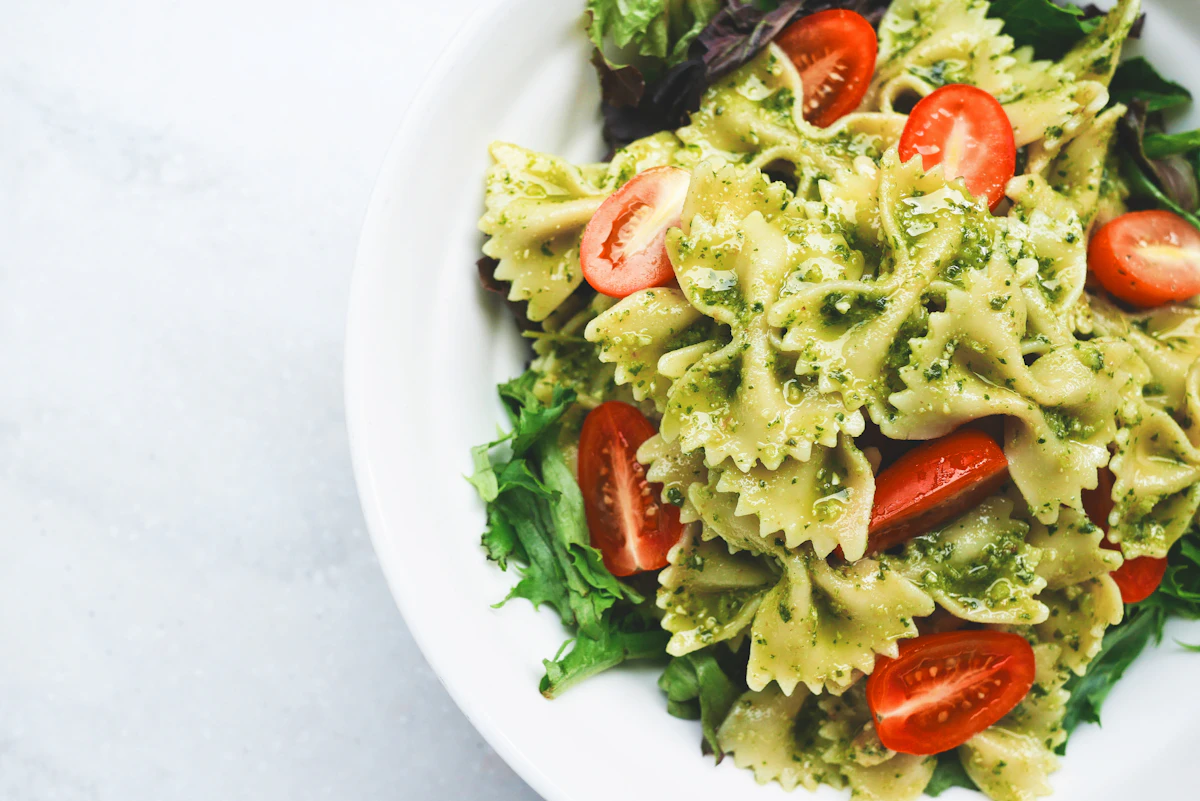
Dammam’s international community has brought kitchens from South Asia, East Asia, Europe and beyond. Biryani, noodles, pizza and pasta restaurants sit side by side with local grills. If you enjoy comparisons, pick one dish and try it in different places: a biryani, a burger or a bowl of pasta tells you a lot about a kitchen.
Make room for coffee and dessert
Coffee culture is serious here. Arabic coffee is lightly spiced and served in small cups, and cafés offer specialty brews, tea and pastries. Dessert is a pleasure in its own right: dates, cakes, pastries and warm sweets are popular finishes to an evening. Plan a separate stop for dessert and conversation.
Build your own food trail
Pick a theme
A theme gives structure: “best rice platter”, “charcoal grills”, “seafood by the sea” or “dessert crawl”. Choose one, try three places and compare notes.
Mix casual and special
Alternate everyday places with an occasional special dinner. Casual spots, covered in our casual dining guide, are perfect for testing a dish, and special restaurants are best saved for celebrations.
Eat with people
Food tastes better shared. Go with friends or family, order a few dishes for the table and talk about what you each prefer.
Smart habits for food lovers
- Ask for recommendations. Staff and regulars often know the dish that is best that day.
- Read recent feedback. Look for specifics about dishes, not just scores.
- Check hours and timing. Our visit planning guide covers prayer times, Ramadan and peak hours.
- Take notes. A line on your phone about each dish builds a personal map of your favourites.
- Stay open-minded. One unfamiliar dish per meal keeps things interesting.
Respect the table
Good manners make every meal better. Thank the staff, treat shared dishes politely, keep voices at a comfortable level and be patient when places are busy. In Saudi Arabia, hospitality is a point of pride, and guests who show curiosity and respect are welcomed warmly.
An example weekend food trail
This is a flexible idea, not a fixed plan, but it shows how to mix experiences across a weekend.
- Friday lunch: a shared rice-and-meat platter with family or friends.
- Friday evening: coffee, dates and a sweet at a café.
- Saturday lunch: a seafood meal or a lighter grill with salad.
- Saturday evening: a mezze-and-grill dinner, followed by a walk.
Keep learning
Food knowledge grows by paying attention. Ask staff how dishes are made, notice the spices you enjoy, compare the same dish at different restaurants and read about techniques. Over time you will build a personal sense of what good looks like, which is more reliable than any ranking.
Food in Dammam beyond restaurants
Bakeries, coffee shops, juice counters and sweet shops are part of the picture too. A warm pastry in the morning or a cold fresh juice after a hot afternoon can be as satisfying as a full meal. Include them in your trail.
Conclusion
Dammam rewards people who eat with curiosity: begin with the local classics, taste the Gulf, explore the wider Middle East and the world, and finish with coffee and dessert. Choose a theme, take notes and share the table. When you want to see a mixed menu of grills, rice, pasta and desserts, browse the Naja Restaurant menu, or contact us with a question.
Frequently asked questions
Where should a first-time visitor start?
Begin with a local classic such as a spiced rice-and-meat platter, then add a grill or a seafood meal on another day to see the range.
Is Dammam only about Saudi food?
No. Alongside Saudi and Gulf dishes you will find Levantine, South Asian, Italian, Asian and many other kinds of food, reflecting the city's international community.
How do I keep track of what I tried?
Keep a short note on your phone with the dish, the place and what you liked. It makes the next choice easier and helps friends who ask for tips.